Stickman Sketch Escape
Reviews
Stickman Sketch Escape stands out in the puzzle genre by making drawing a core mechanic rather than a gimmick. The puzzles are well-paced, starting with obvious needs and gradually requiring more abstract solutions. The art style is charming without being cluttered, and the lack of timers or failure penalties makes it a relaxing experience. The emotional thread of helping the stickman adds a light narrative hook that keeps players engaged. While the game could benefit from more variety in later levels, it offers a solid 4-6 hours of content. A recommended choice for anyone seeking a thoughtful, family-safe puzzle game.
Description
Drawing Meets Logic
Stickman Sketch Escape combines simple drawing actions with thoughtful problem-solving. At the start of each level, players see a scene where something essential is absent. The task is to sketch that missing piece using a finger or mouse. This might be a tool to unlock a path, a bridge to cross a gap, or an item to distract a character. The game does not require artistic skill—any reasonable shape is accepted. The focus is on identifying what the situation needs, not on creating a perfect drawing.
Progressive Puzzle Design
The puzzles start with straightforward needs, such as drawing a ladder to reach a high ledge. As players advance, the scenarios become more layered, requiring careful observation and lateral thinking. For instance, a later level might ask players to draw a shadow to fool a guard or a reflection to reveal a hidden clue. The difficulty curve is gentle, allowing newcomers to build confidence before facing more abstract challenges. Hints are available but designed to encourage independent thinking.
Visual Style and Atmosphere
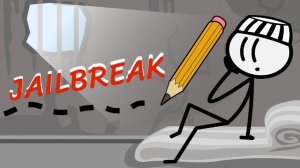
The art uses a clean, minimal stickman style with soft colors and expressive animations. Characters react to the player's drawings with surprise, relief, or gratitude, adding a light emotional layer to the puzzles. The backgrounds are simple but detailed enough to provide visual clues. The overall tone is warm and playful, with no dark or frightening elements. This makes the game suitable for children and adults alike, whether played alone or together.
Narrative Thread
While each puzzle is self-contained, a gentle story runs through the levels. The stickman character appears in different settings—a locked room, a garden maze, a busy street—each time needing help to move forward. The story is not told through text but through the sequence of scenes and the stickman's reactions. This narrative structure gives players a sense of progression beyond just solving puzzles, as they become invested in seeing what happens next.
Accessibility and Controls
The interface is designed for ease of use. Players simply tap or click to start drawing, and the game recognizes the shape without requiring precision. The drawing area is clearly marked, and the game provides subtle visual cues if the player is stuck. There is no timer or score pressure, allowing players to think at their own pace. The game works well on both touchscreens and desktop browsers, making it accessible to a wide audience.