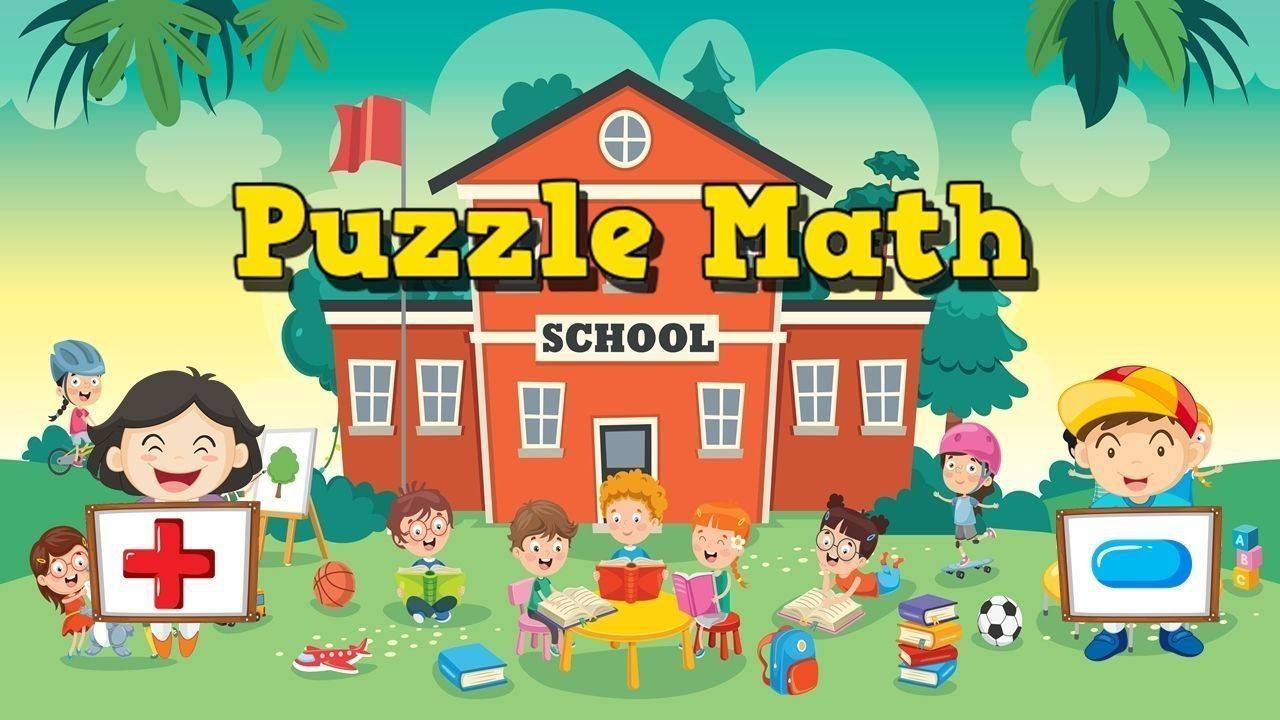
Grid Sum: Arithmetic Strategy
Reviews
Grid Sum succeeds by taking a simple mathematical concept and adding a layer of spatial strategy. The shifting board layouts prevent repetition, while the absence of timers encourages thoughtful play. It is an excellent choice for anyone wanting to sharpen mental arithmetic without pressure. The controls are responsive, and the minimal interface keeps the focus on logic.
Description
Core Concept
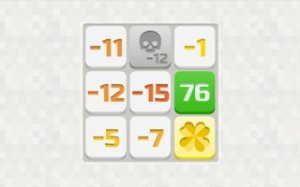
Grid Sum presents a straightforward idea with surprising depth. A small token, carrying a running total, moves across a grid of squares. Each square contains either a positive or negative integer. Landing on a square adds its value to your total. The challenge lies in choosing a sequence of moves that collects the highest possible sum before the board is exhausted.
Movement & Planning
Players control the token using arrow keys or swipe gestures. Movement is limited to adjacent squares, so each step must be deliberate. Scanning the entire grid before acting is essential. Clusters of high positive values might be tempting, but reaching them often requires passing through negative squares. Deciding when to take a small loss for a larger gain is a recurring strategic choice.
Board Variety
No two rounds of Grid Sum feel the same. The arrangement of numbers changes each time, ensuring that memorization is useless. Some boards feature scattered high values, while others concentrate positive numbers in one region and negatives in another. This variability keeps the mental workout fresh and encourages adaptive thinking.
Accessibility & Appeal
The rules are simple enough for children to grasp quickly, yet the puzzle complexity scales with the player's skill. Adults find the planning demands engaging during short breaks or longer sessions. The clean visual design minimizes distractions, letting players focus entirely on numerical logic. No timers or pressure mechanics exist; the only opponent is the board itself.
Progression & Improvement
Regular play naturally sharpens pattern recognition and mental arithmetic. Players learn to evaluate routes several moves ahead, similar to chess but with numbers. Over time, the ability to identify optimal paths improves, leading to higher scores and greater satisfaction. The game rewards thoughtful analysis rather than speed.